The routine that will get you and keep you in shape
Building a wellness routine that supports both body and mind is deeply personal. It should be shaped by individual needs and long-term goals, not by trends or short-lived ideals. When it comes to movement, especially, sustainability matters far more than intensity. Progress comes from consistency, not overexertion, and consistency is much easier to maintain when a routine is simple, realistic, and aligned with everyday life. Our schedules are already full so caring for the body should feel like a moment of selfcare, not another obligation. With that in mind, here are a few principles to help you build a fitness routine that lasts well beyond 2026.
I. Walking is the secret
Based on research summarized by Harvard Health Publishing, walking is one of the most effective forms of exercise precisely because of its simplicity. Regular walking has been shown to offset genetic tendencies toward weight gain, reduce sugar cravings, lower the risk of breast cancer, strengthen joints, and support immune health. It is gentle on the body, requires no equipment, and fits naturally into daily life. Just as importantly, walking helps regulate cortisol levels. Chronically elevated cortisol can work against maintaining a lean, healthy physique by encouraging fat storage and increasing stress on the body. Because walking is low-impact and restorative, it helps lower cortisol and promotes a calmer nervous system. In this way, walking becomes more than exercise, it becomes a form of stress relief and mental reset.
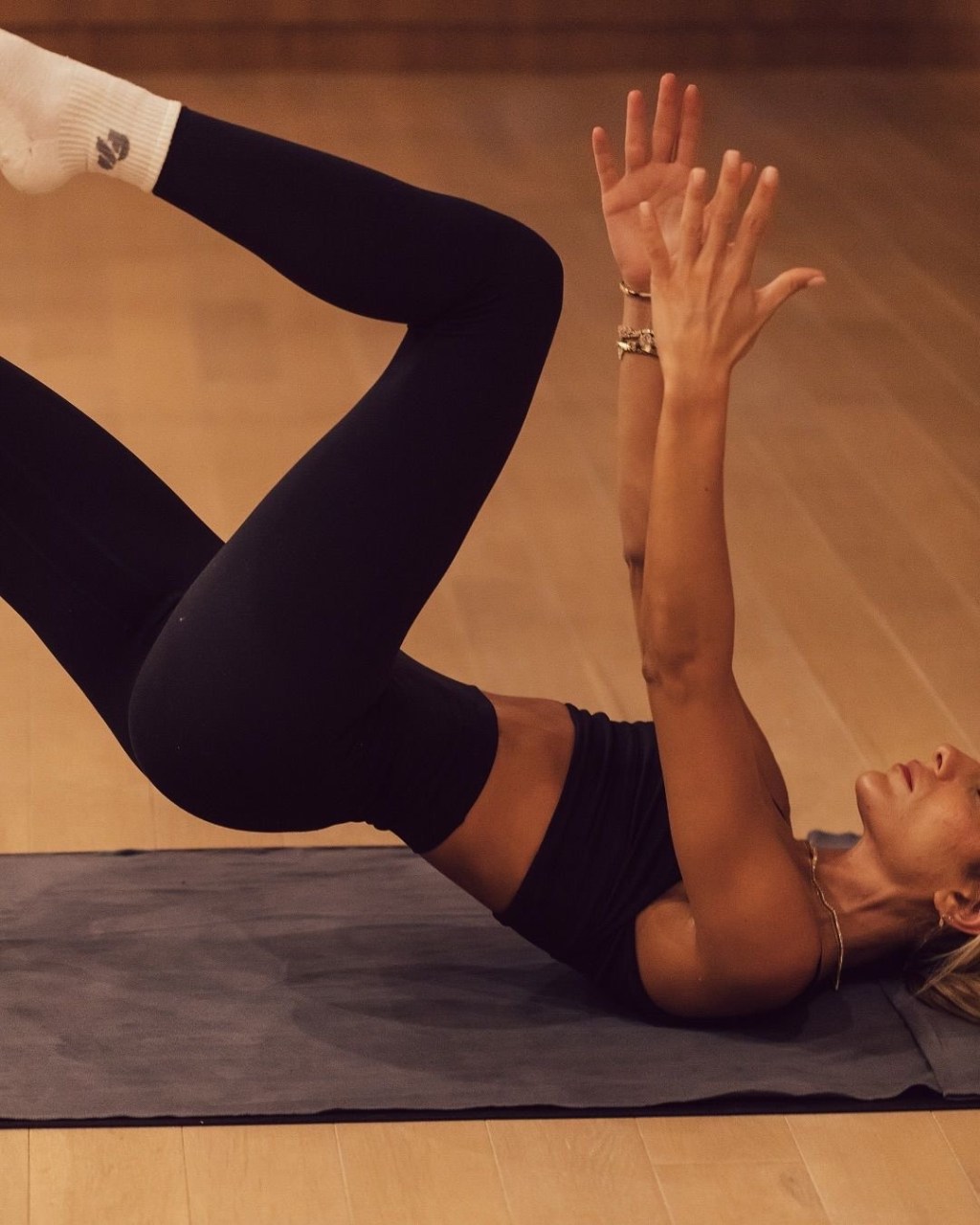
II. Pilates and mat workouts
Research compiled by Healthline highlights Pilates and mat-based workouts as a low-impact, full-body practice that builds strength without strain. By focusing on deep core engagement, these movements improve posture, enhance flexibility and mobility, and support spinal health, often easing back pain in the process. The balanced nature of Pilates helps reduce the risk of injury while creating long, functional strength. Its emphasis on controlled movement and breath also supports mental clarity, stress reduction, balance, and overall body awareness. Like walking, Pilates encourages steady cortisol levels, making it an effective and sustainable way to stay strong and in tune with the body.
III. Do what you love
All movement counts. The body does not differentiate between forms of exercise, it responds to activity itself. Whether it’s a team sport, a long walk, a Pilates session, or simply dancing at home, what matters is staying active in ways that feel enjoyable. Movement should support your life, not restrict it. The goal is not a temporary phase tied to weight loss or a specific outcome, but a lifestyle that prioritizes long-term health and vitality.
The most important takeaway is this: your body is your foundation. Maintaining strength and balance supports confidence, protects immune health, and allows you to age gracefully. When movement is made a priority, it becomes a form of self-respect, one that benefits both body and mind, quietly and consistently.
